In the world of software development, clarity and precision are paramount. For decades, the Unified Modeling Language (UML) has been the universal standard, offering a visual blueprint for designing, documenting, and communicating complex software architecture. Now, the power of Artificial Intelligence is revolutionizing how we create these critical diagrams, transforming a detailed, often time-consuming process into an intuitive, efficient one.
Gone are the days of laboriously dragging and dropping elements or writing intricate code to define your system. AI-powered UML diagram generators are democratizing access to professional-grade modeling, allowing developers, architects, and product managers to visualize intricate systems with unprecedented speed and accuracy. This shift empowers teams to focus more on innovation and less on manual diagramming.
Why UML Remains Essential in Modern Development
UML, adopted as an industry standard in 1997, provides a rich vocabulary for describing nearly every aspect of a software system. It's more than just drawing; it's a language understood universally by developers worldwide. Whether you're planning new software architecture, documenting intricate system interactions, mapping out business logic, or designing robust databases, UML offers a visual paradigm. If you're looking to deepen your understanding of these crucial visual tools, you can Explore UML diagram types and uses..
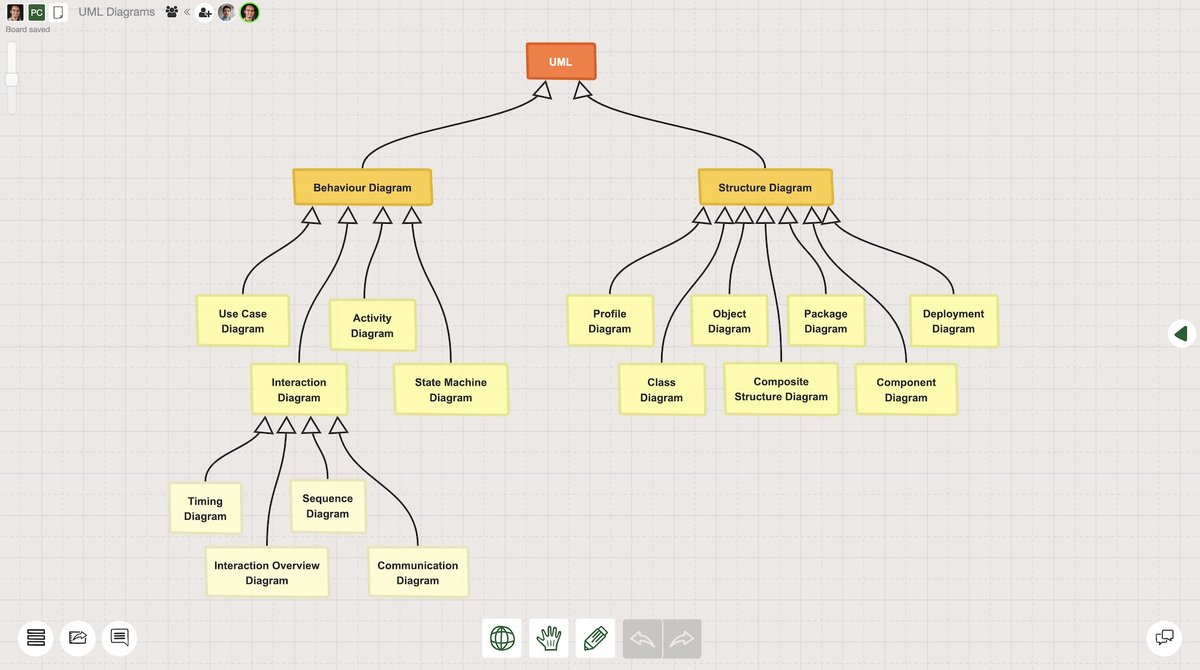
UML diagrams fall into two main categories:
- Structural Diagrams: These illustrate the static architecture of a system, detailing its components and how they relate. Think of Class diagrams showing object models or Component diagrams outlining module structure.
- Behavioral Diagrams: These capture the dynamic aspects of a system, showcasing interactions, states, and activities over time. Sequence diagrams for API calls or Use Case diagrams for requirements gathering are prime examples.
The AI Advantage: Generating UML Diagrams with Intelligent Prompts
The magic of AI in UML diagram generation lies in its ability to translate natural language descriptions into precise visual models. This process simplifies diagram creation dramatically, often boiling down to a three-step approach:
- Determine Diagram Type: Start by clearly stating the specific UML diagram you need. Whether it's a Class, Use Case, Sequence, State, Activity, or Deployment diagram, specifying the type is the first crucial step.
- Describe Content: This is where your narrative comes in. Effective prompts are typically 3-4 sentences long, detailing the elements and relationships within your system. For instance, if you're building a Class Diagram, you'd outline entities, specify attributes with data types, and describe relationships with cardinality. For a Sequence Diagram, you'd narrate the user or data flow as a sequence of events.
- Generate and Refine: Once your prompt is ready, the AI generates an initial diagram. From there, you can refine it using follow-up prompts or even manual adjustments via a graphical user interface (GUI) within the tool.
Smart Prompting for Superior Diagrams:
You don't always need to start from scratch. Leverage existing resources by pasting excerpts from documentation, product code, system output, or project descriptions directly into your prompt. Uploading image files can also provide valuable context. For a truly collaborative approach, you can even ask a Large Language Model (LLM) to help you generate a list of elements for your desired diagram type and system flow. To learn the exact steps and best practices, make sure to Create UML diagrams step-by-step..
Beyond Basic Generation: Integrating AI into Your Workflow
The true power of AI-powered UML generators extends beyond just creating diagrams. These tools can become integral parts of your development lifecycle, streamlining documentation, enhancing communication, and maintaining system integrity. By automating diagram creation, teams can keep their models up-to-date with less effort, fostering a living documentation approach. Explore how these tools can fit seamlessly into your existing processes by learning about Integrating UML Generators into Development.
For instance, imagine updating a microservice architecture. Instead of manually modifying a deployment diagram, you can simply update your prompt with the new configuration, and the AI instantly renders the changes. This dynamic capability ensures your visual documentation always reflects the current state of your system.
Choosing the Right AI-Powered UML Generator
With a growing number of AI-driven tools entering the market, selecting the right UML diagram generator is crucial. Considerations include the range of supported diagram types, the intuitiveness of the prompting interface, options for refinement and collaboration, and integration capabilities with other development tools. Some tools excel at specific diagram types, while others offer a broader suite of functionalities. Making an informed decision here can significantly impact your team's efficiency and the quality of your documentation. Dive deeper into your options to Choose the best UML generator.
Unlocking Deeper Insights: Advanced Modeling with AI
As you become more comfortable with AI-powered UML generation, you'll discover opportunities to push the boundaries of traditional modeling. Advanced techniques might involve crafting highly specific prompts for complex system behaviors, using AI to generate multiple perspectives of a system from a single description, or even employing it for design pattern generation. Leveraging AI to analyze existing codebases and suggest diagrammatic representations can also offer profound insights into legacy systems. For those ready to elevate their modeling skills and explore sophisticated applications, Explore advanced UML techniques Master advanced.
The intersection of AI and UML is not just about drawing faster; it's about fostering a deeper understanding of complex systems, enabling quicker iterations, and facilitating clearer communication across development teams. By embracing these intelligent tools, we can unlock new levels of efficiency and innovation in software design.